River birch tree removal and trimming in Raleigh: Deciding when to cut
River birch tree removal and trimming in Raleigh: Deciding when to cut
If you own a home in Raleigh, Wake Forest, or Cary, there is a very high probability you have a river birch ( Betula nigra ) in your yard. Developers love planting them because they grow fast and provide an immediate "established" look to new subdivisions. However, many homeowners eventually find themselves in a love-hate relationship with these trees. I have heard one of our crew members call them the "Job Security Tree" because they are so frequent, so messy, and eventually, so prone to decline in our red clay soil.
- Quick decision guide:
- Trim if: The tree is healthy but branches are touching the roof, blocking a driveway, or have minor deadwood.
- Remove if: There is significant dieback in the upper canopy, surface roots are lifting your driveway, or the tree is leaning precariously.
- The "Mess": Trimming removes deadwood, but it won't stop a healthy river birch from its biological habit of dropping twigs.
The river birch in the Triangle: A love-hate relationship
In our local NC Piedmont environment, the river birch is a native species that thrives along riverbanks. The problem is that your backyard in Apex or Garner isn't a riverbank. Most suburban yards feature compacted red clay that doesn't allow for deep root growth. This soil mismatch is why so many birches in our area show signs of stress by their twentieth or thirtieth year.
We love the exfoliating bark that peels back in paper-like sheets, but that bark eventually ends up in your pool or on your lawn. Because they grow roughly two feet per year, a sapling becomes a 60-foot giant over the course of a few decades. If it was planted ten feet from your front door, you're going to have gutter and roof issues sooner rather than later.
Common issues: Why river birches drop so many twigs and branches
The most common complaint I hear is that river birches are "self-pruning." This is a biological trait where the tree intentionally sheds smaller interior branches to conserve energy and water. In the Triangle, our hot, dry summers often trigger this. If we go two weeks without rain in July, your yard will likely be covered in small sticks. It's usually not a sign the tree is dying; it's just the tree trying to survive the heat.
This debris is more than a nuisance for lawn care. When these twigs land on roofs, they can potentially trap moisture against shingles, which may contribute to moss growth or premature wear. If you have a river birch over your driveway, the sap and falling litter make keeping a car clean a full-time job. While tree trimming removes existing dead branches, it won't stop the tree from dropping fresh twigs next summer.
Surface roots and your lawn: Why soil conditions matter in NC
If you’ve ever hit something hard while mowing under a birch, you've met its shallow root system. In Raleigh, our compacted clay makes it hard for roots to go deep. River birch roots stay near the surface to find oxygen and moisture. This leads to three main problems:
- Mower damage: Blades nick the roots, creating entry points for pests.
- Trip hazards: Large roots create uneven ground in high-traffic lawn areas.
- Hardscape damage: We frequently see roots lifting concrete driveways or cracking patio pavers.
Please do not just cut these surface roots or bury them under six inches of dirt. Cutting a support root makes the tree unstable, and burying them can suffocate the system. If the roots are destroying your hardscaping, tree removal and professional stump grinding are often the only permanent fixes.
Is your river birch dying? Spotting dieback vs. seasonal bark shed
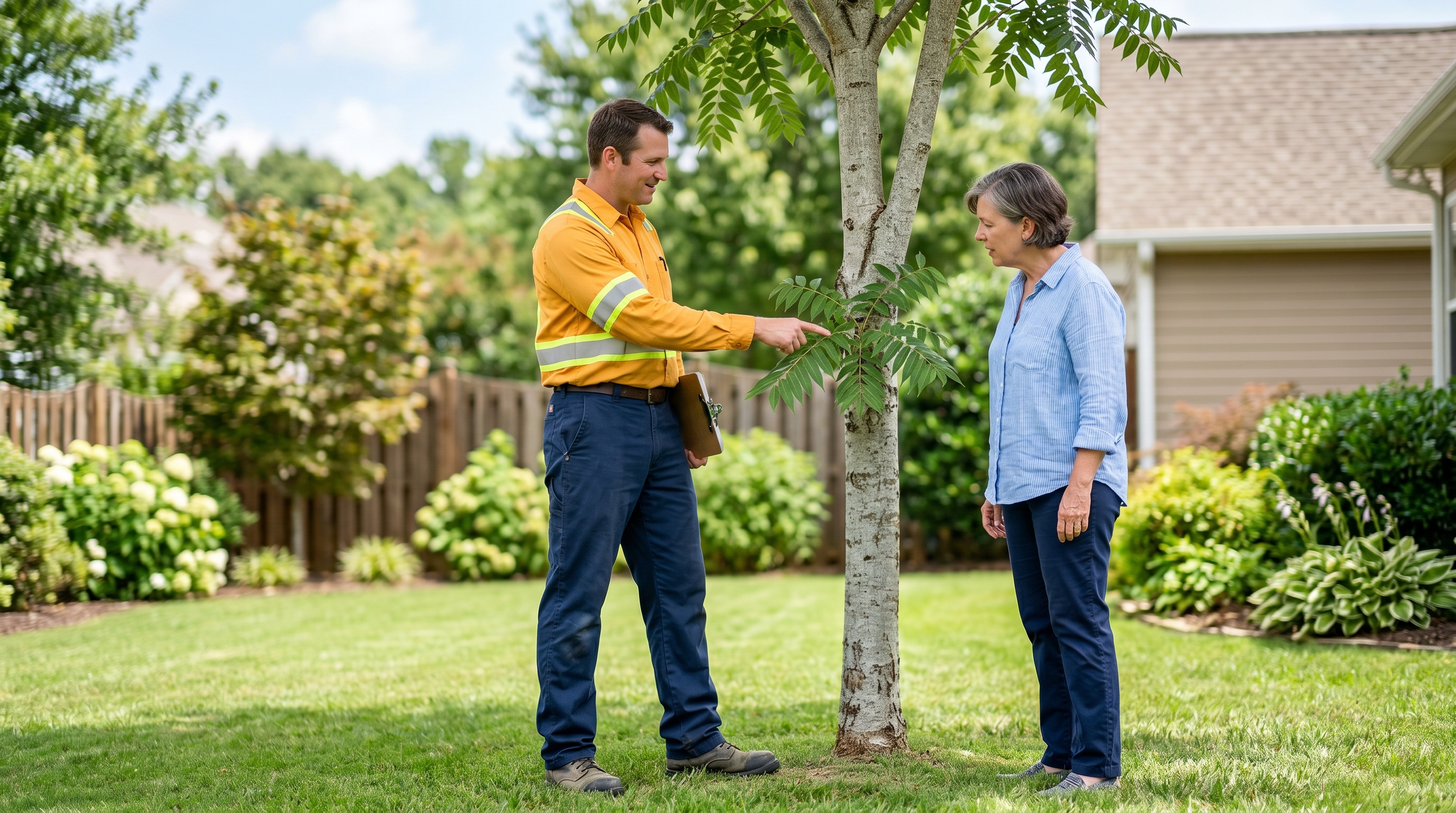
Because these trees peel naturally, many homeowners worry the tree is diseased when it’s perfectly healthy. However, look at the very top of the canopy. If you see bare, brown branches while the rest of the tree is green, that is "dieback." This often results from cumulative drought stress or root compaction. If there is extensive dieback in the upper canopy, the tree is declining.
While river birches in North Carolina are generally resistant to the Bronze Birch Borer, they can still be a hazard. If a huge portion of the top is dead, it is time to have a professional assessment before a standard NC afternoon thunderstorm brings those limbs down on your house or fence.
Trimming vs. removal: When pruning no longer solves the problem
We try to save trees when it makes sense, but maintenance can become a losing battle. Trimming is great for clearance—getting branches off the roof or thinning the canopy to reduce limb failure. However, river birch tree removal is usually the better choice if:
- The tree is planted dangerously close to the home foundation or power lines.
- Significant dieback is present in the upper canopy.
- Surface roots are lifting the sidewalk or foundation.
- The tree has a heavy lean or structural cracks in one of the main stems.
If you aren't sure, text a few photos of the tree to 919-523-8516. We can usually give you a quick assessment and a clear estimate without you needing to take a half-day off for a site visit.
Safe removal of multi-stem birches near homes and fences
Most river birches are multi-stemmed, meaning three or four trunks grow from the same base. This makes removal more complex than a single-trunk oak. Each stem can lean in a different direction—one over the fence, one over the shed, and one over the roof. When we handle a multi-stem removal in tight suburban yards like those in Brier Creek or Heritage, we rig and lower each trunk individually. We use specialized climbing equipment to control every piece as it comes down, ensuring your landscaping stays intact.
What to expect during river birch removal and cleanup
A professional crew should leave your yard looking better than they found it. Because river birches are so twiggy, they create a surprising amount of debris. We chip all the branches and haul away the larger wood unless you want it left for firewood. If you want to grow grass again or replant, stump grinding is a necessity. For a birch, we grind deep enough to destroy those surface roots so you can finally have a flat lawn.
Safety is the priority. If your birch is touching power lines, stay away and call the utility company first. For everything else, we provide clear estimates before any work starts. We serve homeowners across Wake Forest, Raleigh, Cary, and the surrounding Triangle with a focus on property protection.
Contact Wake Tree Removal today. Call or text 919-523-8516 to discuss your tree. You can even text us a photo for a faster estimate.
Share
You might also like