Clearing a Wooded Lot to Build a House: Which Trees Should You Keep?
When clearing a wooded lot to build a house in Raleigh, most homeowners imagine preserving a few tall oaks for instant shade and privacy. However, the move from a dense forest to a residential yard is often a violent transition for a tree. What used to be a protected specimen in a forest is suddenly an isolated giant exposed to North Carolina storms and heavy grading equipment.
I have walked countless lots in Wake Forest and Rolesville where homeowners kept 'the good trees,' only to pay thousands for emergency removals two years later. To avoid that outcome, you need to understand which trees have the structural integrity to survive construction and which are high-risk hazards waiting for the first high-wind event.
Quick checklist: keep versus remove
- The Priority 'Saves': Healthy hardwoods like White Oaks or Southern Red Oaks located at least 25 feet from the planned foundation.
- The High-Risk 'Cuts': Tall, slender Loblolly Pines that grew in dense stands and any tree within the immediate grading footprint for driveways or septic lines.
- The Safety Margin: Any tree currently leaning toward the future house site or exhibiting root heaving in our Piedmont red clay.
The problem with forest-grown architecture
Trees that grow in a tight forest develop very differently than 'yard trees.' In a forest, trees are tall and spindly because they are reaching for light while leaning on their neighbors for wind protection. Their root systems are often shallow and intertwined with nearby trees. We call this 'forest-grown architecture,' and it makes for very poor solo standing.
Once you clear the surrounding trees to make room for your build, the survivors are suddenly exposed to the full force of wind tunnels created by new structures. This often leads to 'windthrow'—where the tree uproots because it never built the wind-firm base or taper needed to handle leverage on its own. If you see a tall, top-heavy pine that has never seen a breeze without its forest buddies, it is probably a candidate for tree removal service before you pour your foundation.
Calculating the critical root zone (CRZ)
The most common killer of 'saved' trees isn't a chainsaw; it is the bulldozer grading your lot. Our local Piedmont red clay is heavy and compacts easily. When heavy equipment drives over the roots, it crushes the tiny air pockets the tree needs to breathe. This doesn't kill the tree overnight—instead, the tree suffocates slowly, often showing signs of dieback 2 to 5 years after you move in.
To protect a tree, you must respect the Critical Root Zone (CRZ). A standard industry calculation is:
- Measure the diameter: Find the tree's diameter at breast height (roughly 4.5 feet up).
- Calculate the radius: Allow 1 foot of radial distance for every 1 inch of diameter.
- The rule: If your 20-inch oak is within 20 feet of a major grade change or foundation wall, the root damage will likely lead to its decline.
Species survival: what stays and what goes?
Not every species handles the stress of lot clearing the same way. In the Raleigh and Wake Forest areas, we typically see three main categories:
- High Resilience (White Oak, Southern Red Oak): These are king on a wooded lot. If you keep the equipment away from their roots, they transition well to yard life.
- Moderate Risk (Maples, Sweetgums): These often have shallow root systems that are highly sensitive to grading shifts. If the builder changes the soil level by more than a few inches, these trees usually decline.
- Low Resilience (Loblolly Pines): While iconic to North Carolina, forest-grown Loblolly Pines are prone to breakage and uprooting once their neighbors are removed. If they are within striking distance of the future home, they require a careful risk assessment.
The cost advantage of proactive clearing
Removing a tree on an empty lot is a straightforward, lower-risk job. We have room for equipment and no worry about a new roof or a neighbor’s fence. However, if you wait until after the house is built, the same tree becomes a precision operation. We may need to bring in a crane to lift limbs over your new shingles, which can increase the cost from 2 to 5 times the price of a standard removal.
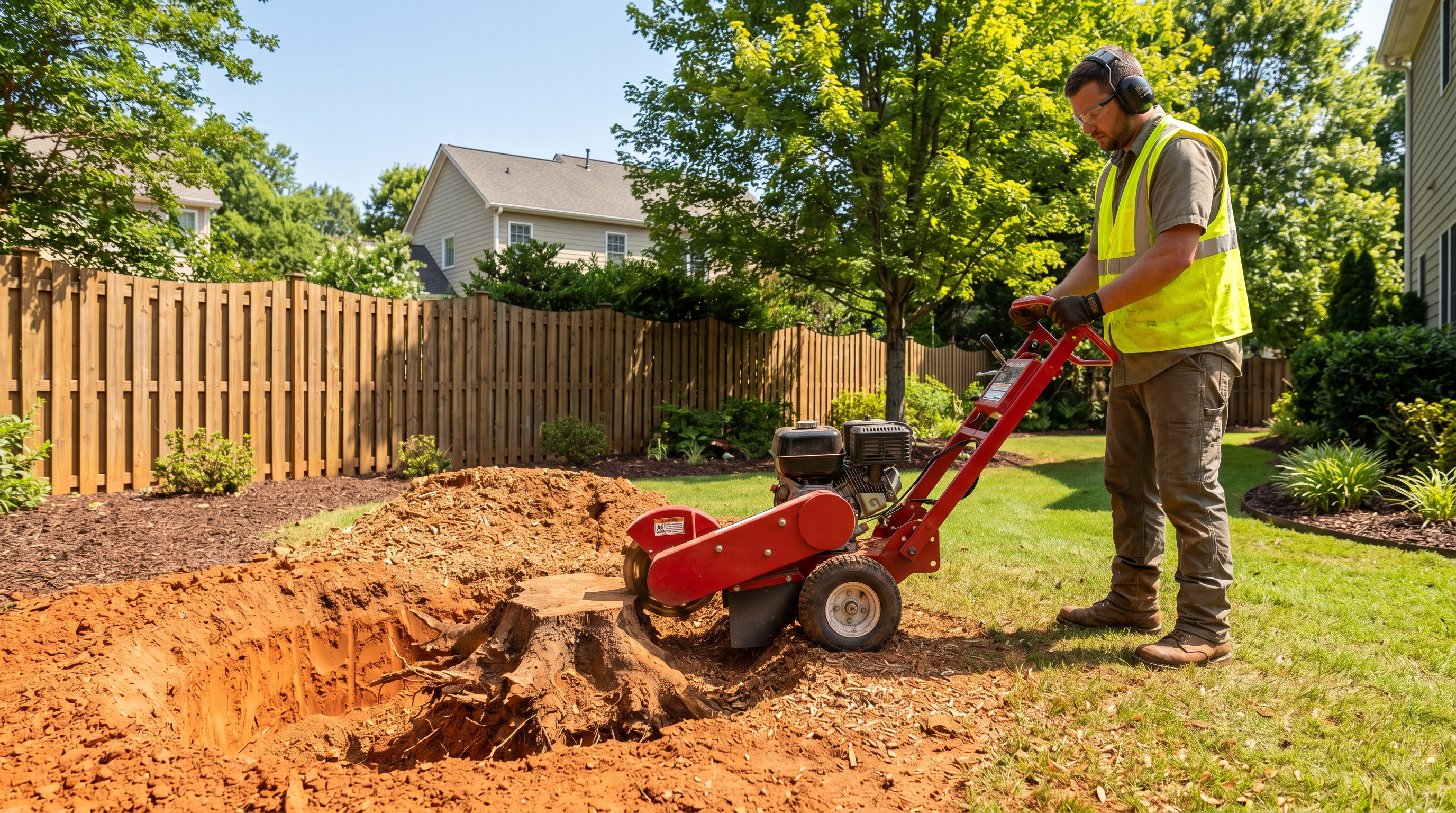
Strategic stump grinding and removal during the initial clearing phase ensures that you aren't paying a 'finished-home premium' for work that could have been done safely and cheaply on an open lot.
Navigating Raleigh ordinances and utilities
Before the first excavator arrives, you must handle the legalities. Raleigh has specific Tree Conservation Areas for larger lots (typically 1 acre or more) where the Unified Development Ordinance (UDO) may limit how much canopy you can remove. Fines for violating these preservation zones can be significant.
Additionally, North Carolina law requires you to contact NC 811 at least three full working days before any digging or grading begins. This ensures utility lines are marked so your clearing crew doesn't hit a gas or electric line. If you are working on a Raleigh or Wake Forest lot with existing power lines, professional coordination is a must to keep everyone safe.
Walk your lot with an expert
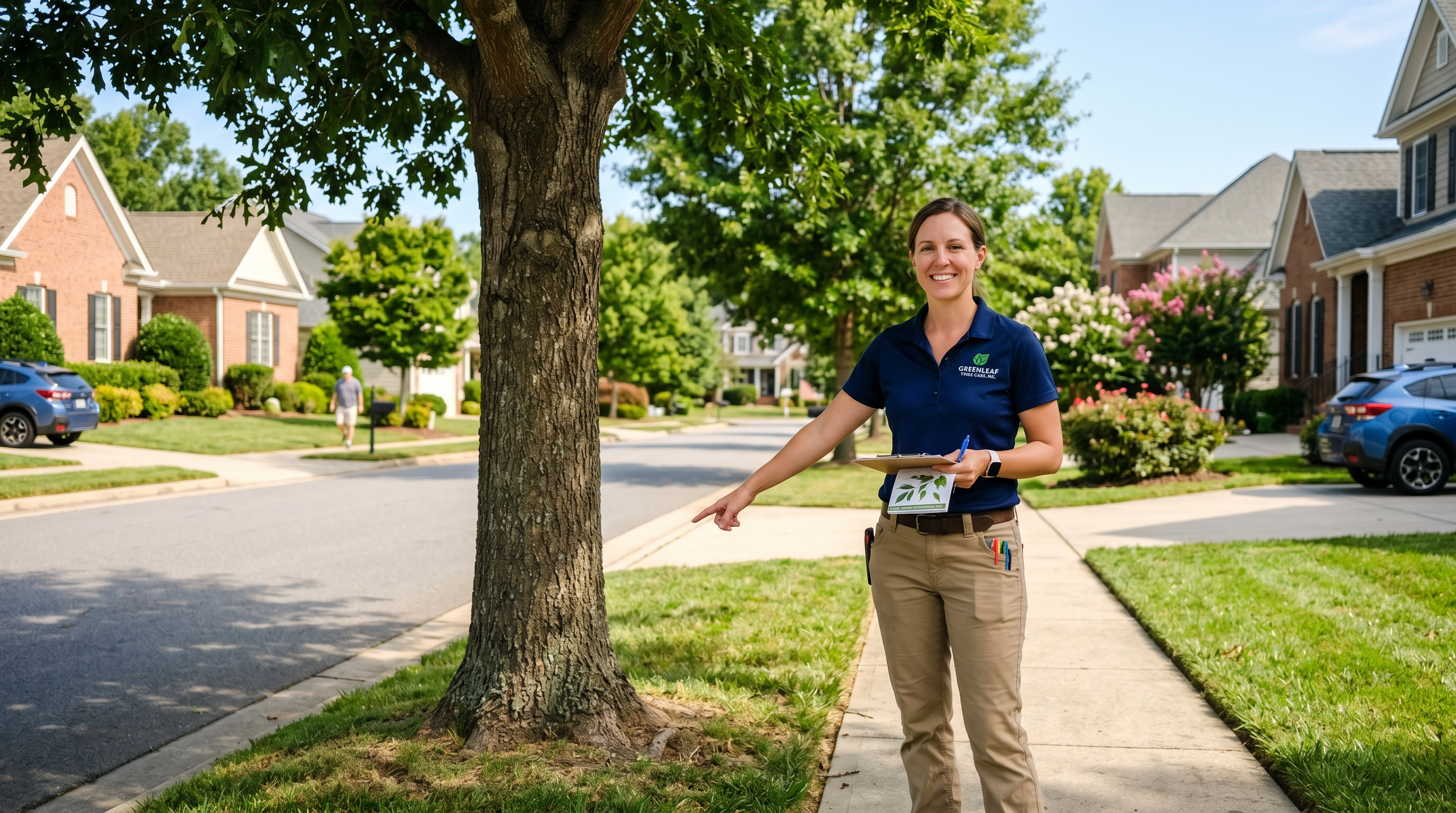
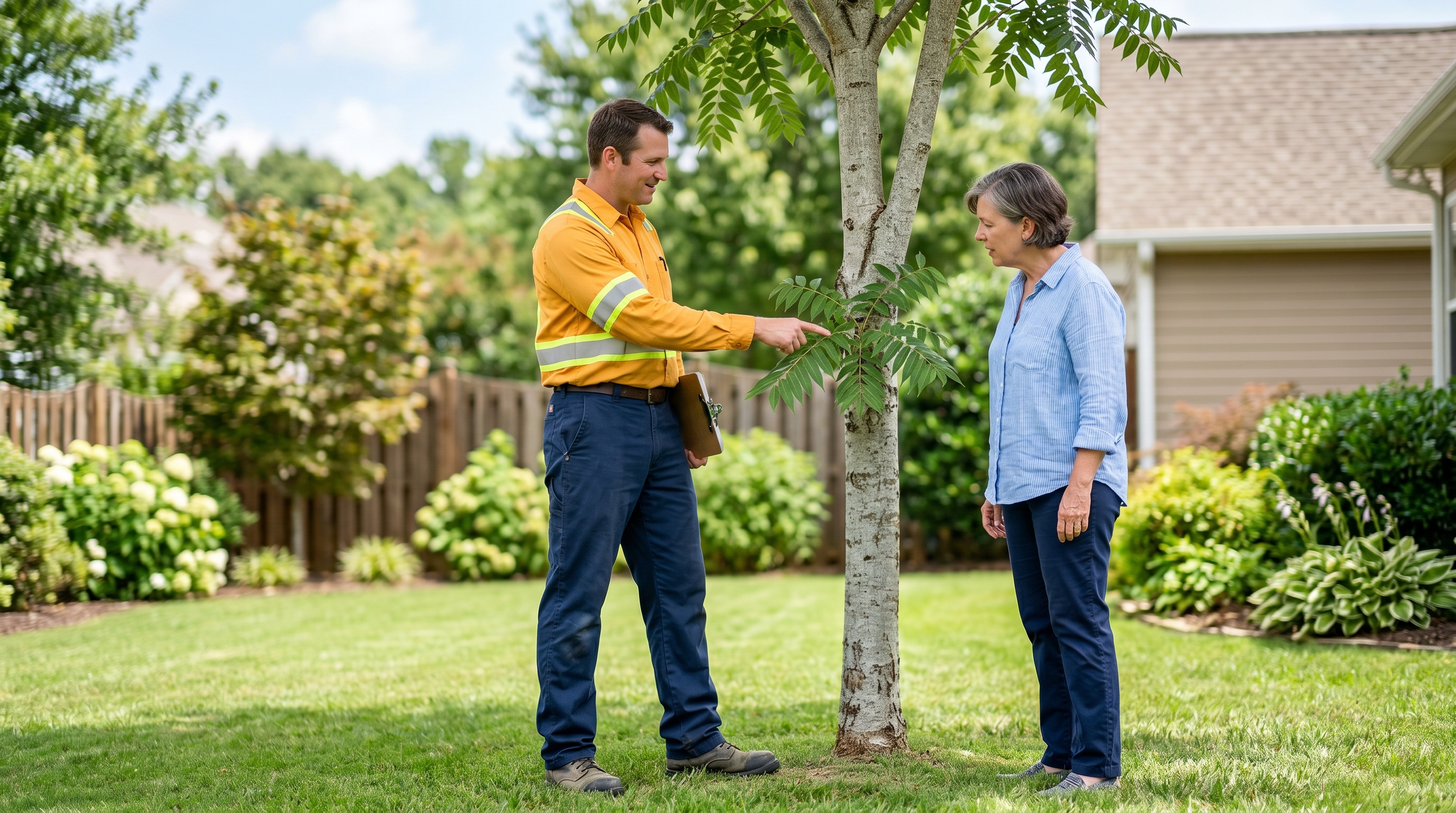
The best time to decide which trees stay is while you still have your site plan on paper. We help homeowners across the Triangle evaluate their 'survivor' trees to ensure they don't become future liabilities. We look at the lean, the root flare, and how the planned grading will impact their long-term health.
If you have a wooded lot or a site plan you’re reviewing, we can provide a honest assessment of what should stay and what needs to go. For a quick estimate or to schedule a site walk, call or text us at 919-523-8516. You can also reach out through our contact page to discuss your lot clearing needs.
Share
You might also like