Why tree stumps grow back and how to stop sprouting in Wake Forest NC
Why tree stumps grow back and how to stop sprouting in Wake Forest NC
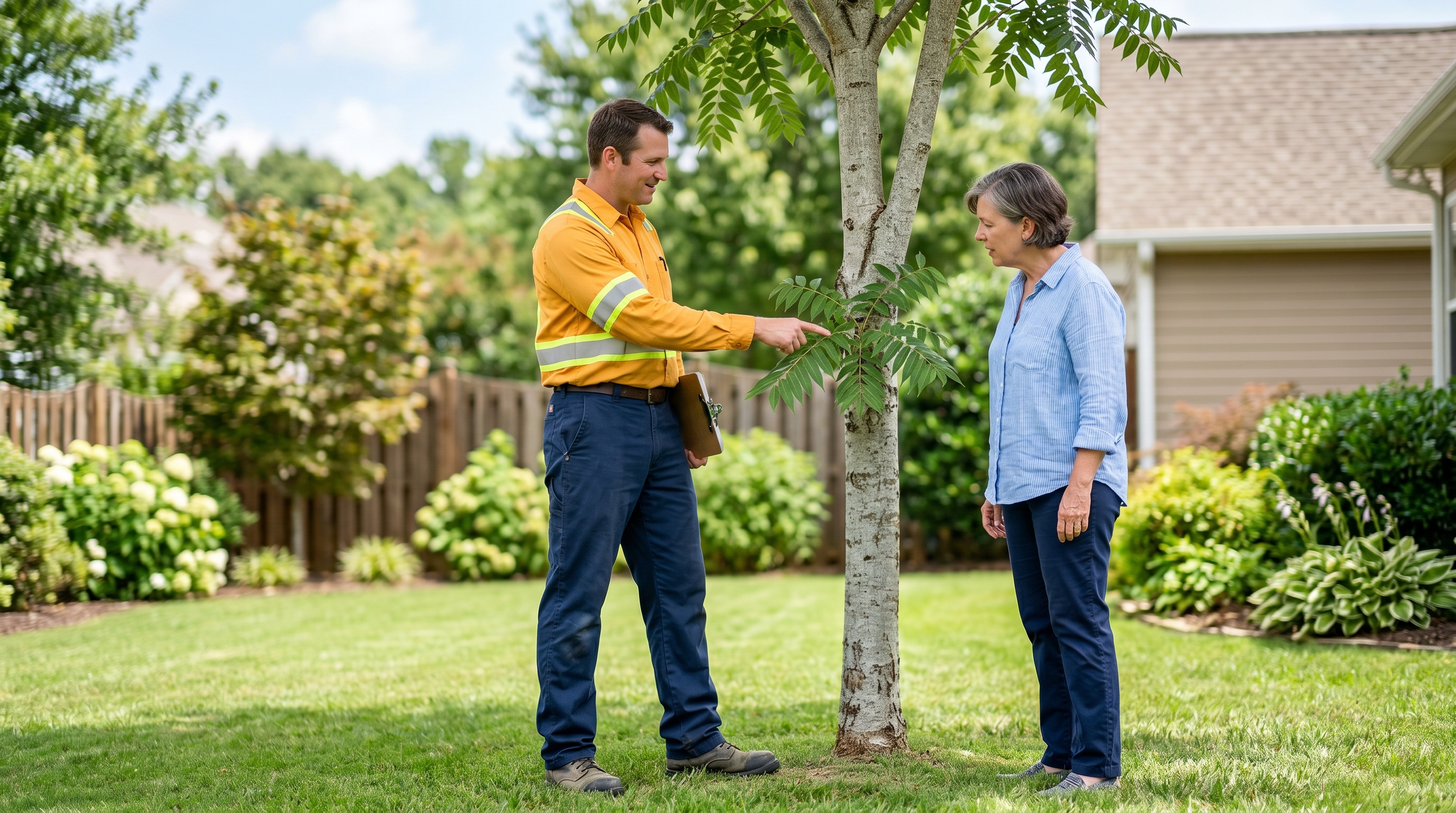
If you had a tree cut down and now see a thicket of green shoots where the trunk used to stand, you are not alone. Homeowners in Wake Forest and Raleigh deal with this every spring. The sprouts turn a clean yard into a mowing headache fast.
Key takeaways
- Biological response: Roots keep stored energy even after the top is gone. Dormant buds under the bark wake up and push shoots to make food.
- Where sprouts start: Most come straight from the root collar at the base of the stump.
- Fastest fix: Professional stump grinding removes the collar tissue at 6–8 inches below grade so new growth stops there.
- Skip the chemicals: Mechanical grinding works in one visit, leaves no residue, and lets you mow the next day.
It is not a sign the job was done wrong. Hardwoods common in the Triangle simply react this way.
How the tree keeps trying to grow back
Remove the canopy and the root system loses its source of new energy. The roots still hold carbohydrates from last season, though. That stored fuel powers fresh shoots called epicormic growth. The buds sit quiet under the bark until the hormones from the top disappear. Then they fire up in a hurry.
In Raleigh and Wake Forest the warm months from April into September make the perfect window for this. Sweetgum stumps in particular can send up a dozen shoots in one season. Bradford pears and maples do the same. Pines rarely bother; they lack the same bud reserves.
Trees around here that fight back hardest
Sweetgum, red maple, Bradford pear, and crepe myrtle all sprout aggressively once cut. Sweetgum sends suckers from both the stump and roots several feet out. Bradford pear often comes back thorny and thick. Large crepe myrtles turn back into a multi-stem bush if the base stays. These are the calls we get most often in the Triangle.
Why weekly mowing never quite finishes the job
Mowing the sprouts removes leaves and slows things, but the roots just push harder from the base. The growth turns bushier and the wood gets thicker. Mower blades take a beating and the stump stays an obstacle. It can drag on for years before the energy finally runs out.
Why stump grinding ends the cycle
We run the grinder across the stump and root collar until the tissue sits 6–8 inches below grade. That removes the central growth node. Most visible sprouting stops right there. Any rare suckers from distant lateral roots are easy to handle later. What is left is mulch you can rake out, topsoil, and seed. The area is ready to mow the same day.
Grinding avoids the slow work and soil risks that come with stump-killer chemicals. No waiting, no drift onto grass you want to keep.
Next step for Wake Forest and Raleigh yards
When the sprouts keep reappearing, grinding is the straightforward way to move on. At Wake Tree Removal we focus on clean work and protecting surrounding turf and fences. Send a photo of the stump to 919-523-8516 and we can usually give a quick price without a site visit. We cover Wake Forest, Raleigh, Cary, and nearby spots.
Ready to stop mowing around that stump? Contact us or text the photo today.
See also our guide on stump grinding after tree removal and full tree removal options.
Share
You might also like