Dead or Declining Trees
A dead canopy, major dieback, fungal decay, hollow sections, or falling limbs can make removal the safer option.
Residential tree removal
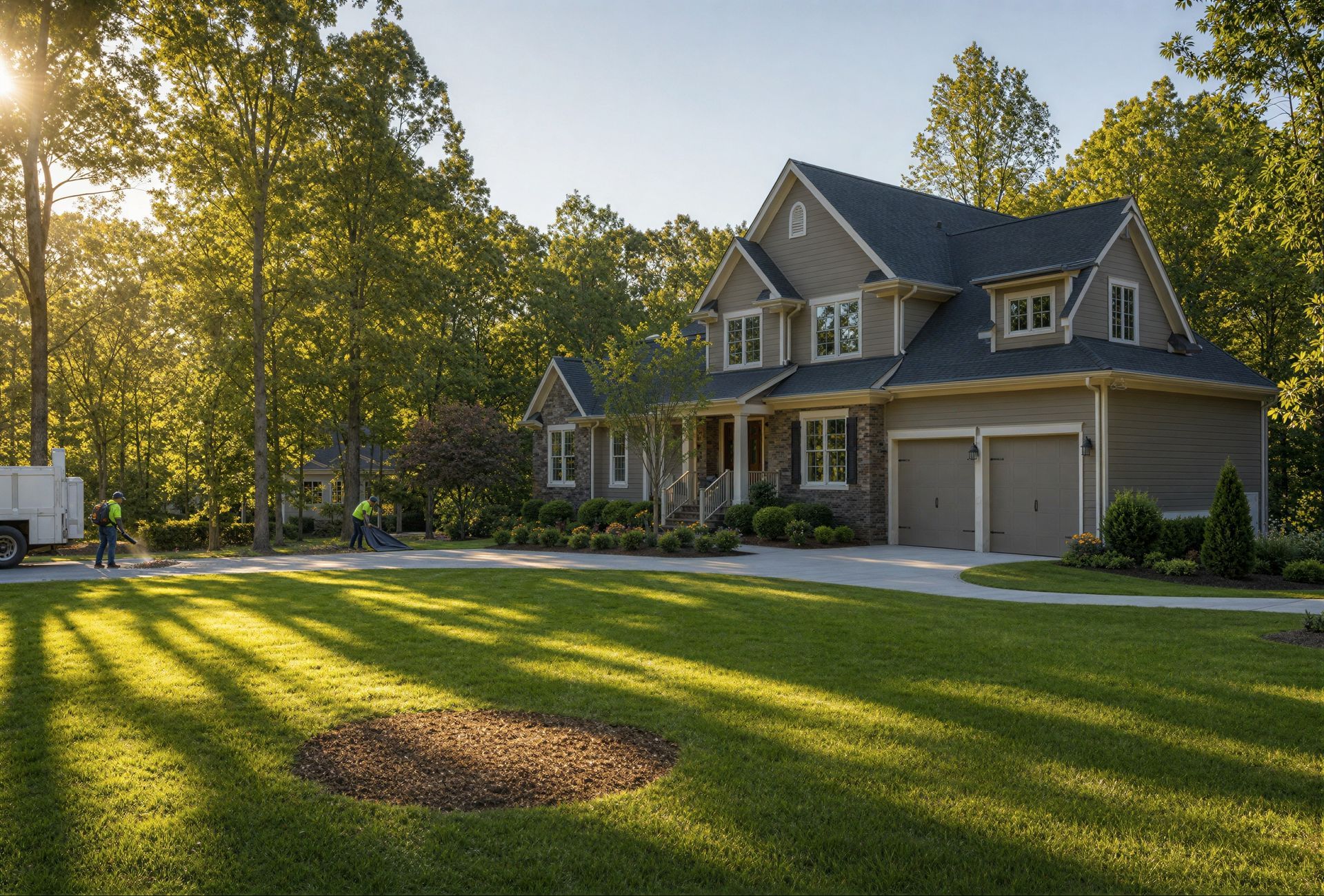
Remove dead, leaning, storm-damaged, split, or poorly located trees with a work plan that considers nearby homes, driveways, fences, landscaping, and cleanup.
When removal makes sense
A dead canopy, major dieback, fungal decay, hollow sections, or falling limbs can make removal the safer option.
A new lean, split trunk, root movement, or storm-loaded tree should be looked at before the next weather event.
Trees near roofs, fences, sheds, driveways, and garden beds need extra planning so the job does not create new damage.
Removal process
Tree removal near a home is a property-protection job. The plan should account for where limbs will land, how wood leaves the yard, whether the driveway needs protection, and whether the stump should be ground after removal.
Pricing factors
Height, trunk diameter, species, decay, deadness, and storm damage all affect the work plan.
Trees close to homes, fences, rooflines, pools, utilities, steep areas, or tight gates can require more time.
Debris hauling, log handling, raking, and stump grinding should be clear before work begins.
Related help
Questions
Removal may be needed when a tree is dead, severely declining, split, leaning, uprooted, storm damaged, or too close to a structure to manage safely with pruning.
Yes, residential tree removal often involves trees near homes, roofs, fences, sheds, and driveways. The estimate should account for those risks.
Stump grinding can be quoted with the removal or scheduled separately depending on access, stump size, and yard plans.
Rules can vary by city, HOA, right-of-way status, utility conflicts, and property type. Confirm current requirements before work begins.
Send the whole tree, the trunk base, nearby structures, access path, and any storm damage or hazards from a safe distance.
Call or text Wake Forest Tree Removal for a free estimate across Wake Forest and the Triangle.