Stump Grinding After Tree Removal: What Triangle Homeowners Need to Know
Stump Grinding After Tree Removal: What Triangle Homeowners Need to Know
Many homeowners in Wake Forest, Raleigh, and surrounding Triangle communities finish tree removal projects only to face a new challenge: the remaining stump. Whether the stump creates a mowing hazard, or simply looks out of place, deciding what to do next often leads to questions about grinding, cost, and long-term results.
Key Takeaways
- Professional grinding typically reaches 6 to 12 inches below grade, which is deep enough for most residential lawn restoration in Wake County clay soils.
- Species such as sweetgum, red maple, and some oaks common to the area can still send up root suckers even after grinding.
- Costs generally range from $2 to $5 per inch of diameter, with total job prices varying based on access, number of stumps, and whether debris removal is requested.
- Most yards can be prepared for sod or planting within one to two weeks once chips have settled.
- Discussing access paths, utility locates, lawn protection, and debris handling before work starts helps prevent surprises.
Why Stumps Become a Problem After Tree Removal
Once the main tree is gone, the stump and its root system remain in place. In many Triangle yards this creates immediate issues with mowing, tripping, and future landscaping plans.
Homeowners often notice regrowth first. Sweetgum trees and certain maples popular in Wake Forest and Raleigh yards frequently produce root suckers even after the trunk is cut. These sprouts can reappear months later if the stump is left at or above grade.
Stump Grinding Process in Triangle Yards
Professional crews use compact, self-propelled grinders designed for residential lots. The machine grinds the stump and major surface roots into small chips, usually stopping 6 to 12 inches below the finished grade. This depth works well for returning the site to lawn or preparing it for new plantings.
Crews begin by clearing the area around the stump and locating underground utilities. In older Raleigh or Cary neighborhoods with narrow gates, tracked equipment allows access without tearing up sod or disturbing fences. After grinding, the crew rakes the chips into mulch piles or removes them if the homeowner requested hauling. Minor ruts from the machine usually settle within a week or two.
Professional Grinding versus DIY or Leaving the Stump
Many homeowners first consider renting a grinder or simply leaving the stump. Rental units often lack the power and reach of commercial machines, leading to shallow results or frustration when roots extend under driveways or sidewalks. Safety risks also rise when operating heavy equipment near homes, underground lines, or tight property lines.
Leaving the stump avoids immediate cost but keeps the hazards in place and allows suckering species to regrow. Full excavation of the entire root system is possible in some cases yet tends to be more disruptive and expensive than grinding for typical residential needs. Grinding strikes the practical middle ground for most Triangle properties.
What Homeowners Should Discuss Before Work Starts
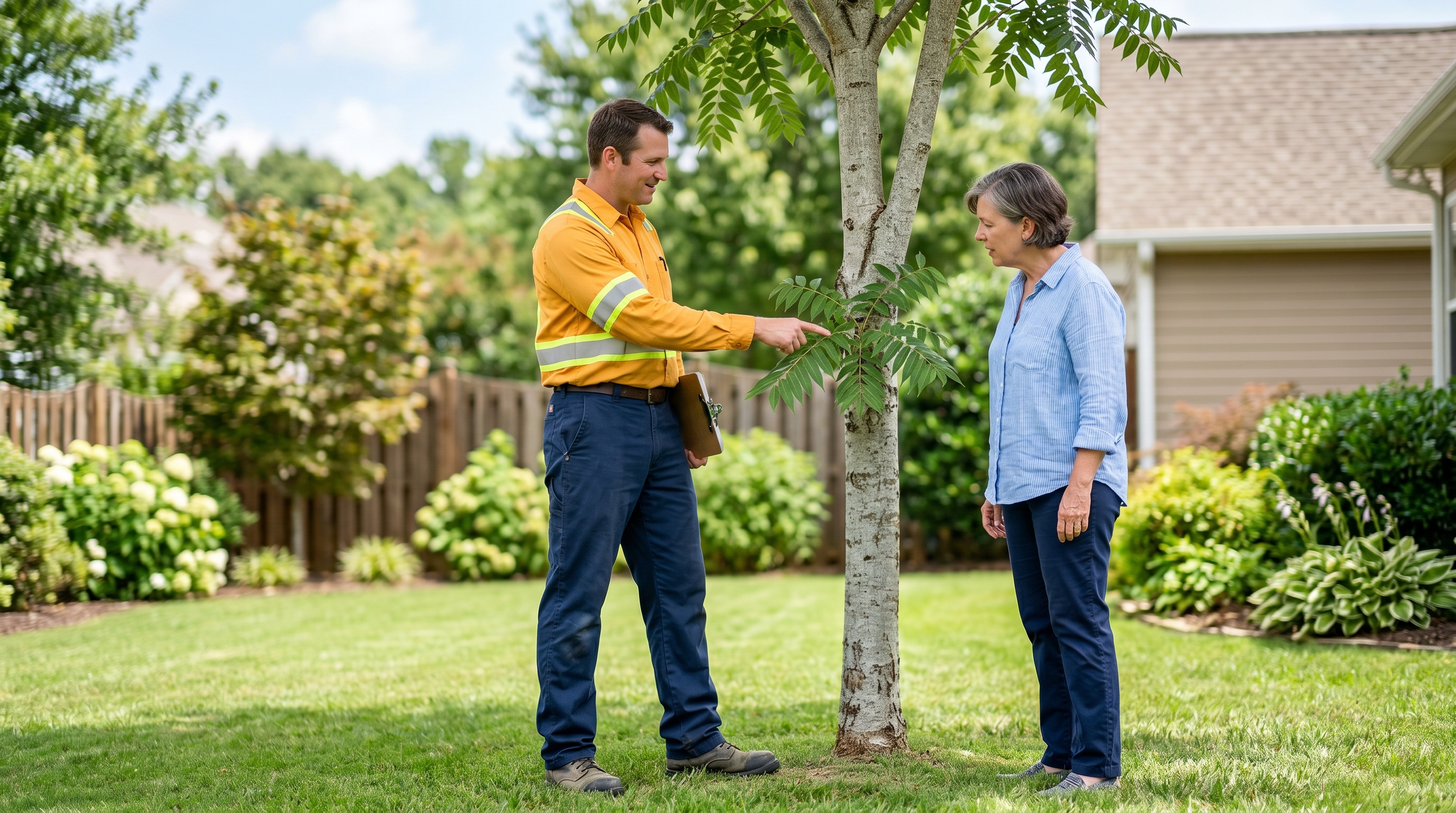
Clear communication prevents unnecessary damage or extra charges. Before scheduling, it helps to confirm the grinder access route, any areas that need plywood or mats for protection, and whether the family prefers the chips left on site as mulch or hauled away. Utility locates should be completed in advance, and any sprinkler heads or low-voltage lighting near the stump should be marked.
Future plans for the site also matter. If new trees or hardscaping will be installed directly over the area, a slightly deeper grind may be worth requesting. Otherwise, the standard 6- to 12-inch depth is usually sufficient.
Landscaping and Cleanup After Grinding
The chips left behind can be spread as mulch around beds or raked away once settling occurs. Many homeowners top-dress the site with soil and seed grass or lay sod within one to two weeks. Heavy clay soils common in Wake County may show slight settling for a few additional weeks, so waiting until the ground firms up avoids uneven patches.
Optional debris removal adds to the total cost but leaves a clean slate for immediate landscaping. Crews can also grind surface roots that extend several feet from the main stump if those roots interfere with future mowing patterns.
Common Questions About Regrowth and Long-Term Results
Grinding reduces the chance of surface sprouts, yet it cannot remove every root fragment. Sweetgum and some maple and oak stumps in the area may still produce suckers from deeper roots over the next few seasons. Spot treatment or periodic monitoring often controls new growth without major follow-up work.
In most cases the ground returns to normal use quickly. Homeowners who plan to plant a new tree in the same location usually request a deeper grind and then allow extra settling time before setting the new root ball.
Learn more about our stump grinding service and how we handle tight yards in Wake Forest, Raleigh, Cary, and nearby communities.
Getting an Accurate Estimate for Your Property
Pricing depends on stump size, number of stumps, site access, and any add-ons such as debris hauling. Sending clear photos of the stump and surrounding area lets our team provide a realistic range before an on-site visit. This step saves time and helps you compare options without pressure.
We discuss access points, protection measures, and cleanup expectations up front so there are no surprises once work begins. For immediate concerns, a quick call or text is often the fastest way to start the conversation.
Text photos for a free estimate or call 919-523-8516 to schedule a site visit and receive a clear plan tailored to your yard.
Share
You might also like