Do I need a permit to cut down a tree in Raleigh and Wake Forest?
Tree removal permits and HOA approvals in Wake Forest and Raleigh
One of the biggest reasons homeowners in the Triangle delay removing a leaning or dead tree is the fear of red tape. It is common to worry about getting a surprise fine from the City of Raleigh or a stern letter from an HOA board. Navigating local ordinances can feel complicated, but in most cases, the rules for residential lots are more straightforward than people think.
At Wake Tree Removal, we see these situations every week. Whether you are dealing with a split trunk in Wake Forest or a tree crowding a driveway in Cary, knowing the local landscape helps you move forward without the stress of potential violations.
Quick answer: When is a permit required?
- Private Residential Lots: In Raleigh and Wake Forest, most single-family homes on private property do not need a municipal permit, especially outside conservation areas, right-of-way zones, or new development.
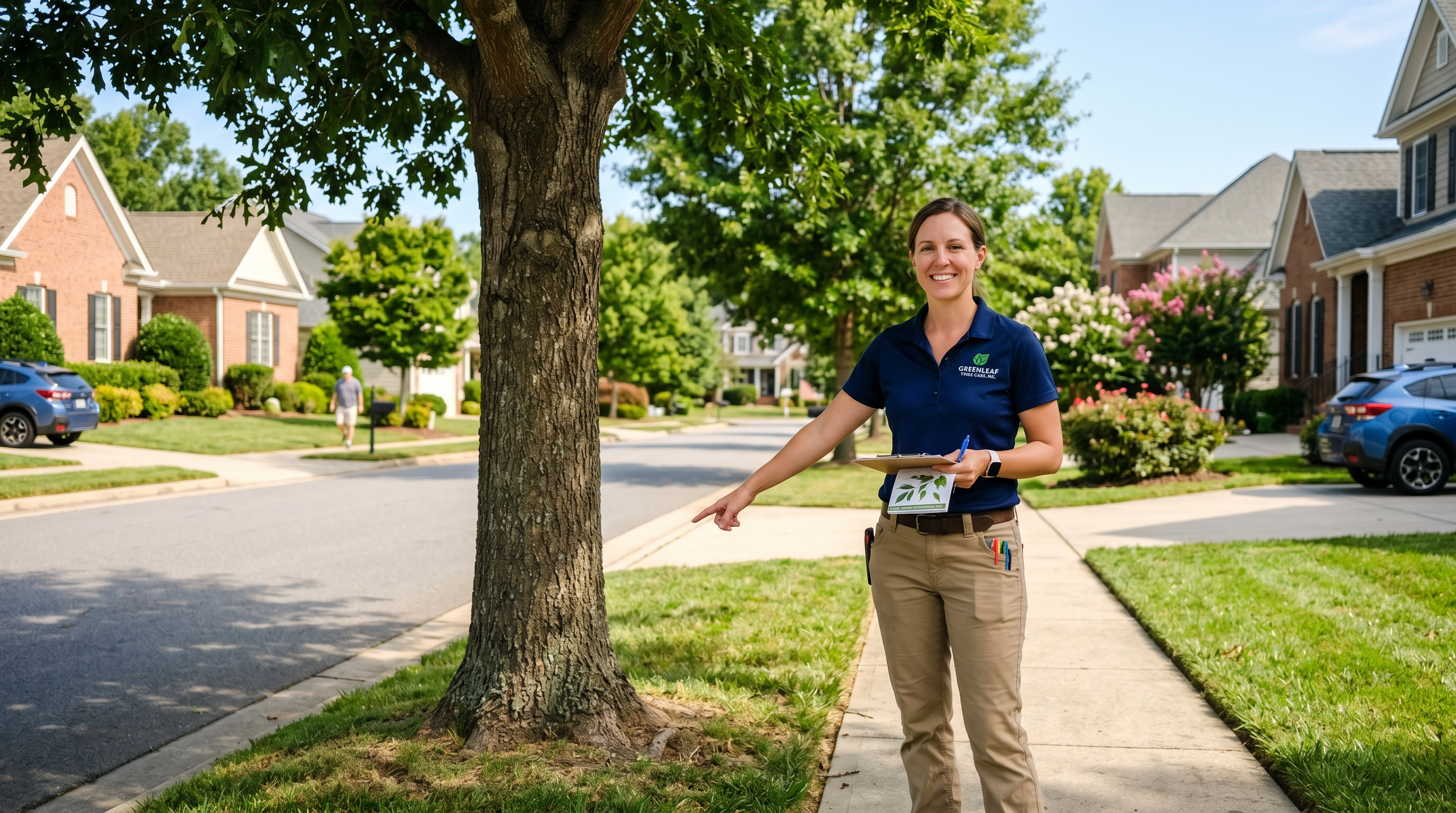
- Right-of-Way Trees: If the tree sits between the sidewalk and the street or within the city right-of-way, leave it alone without a permit. These trees are usually city-owned.
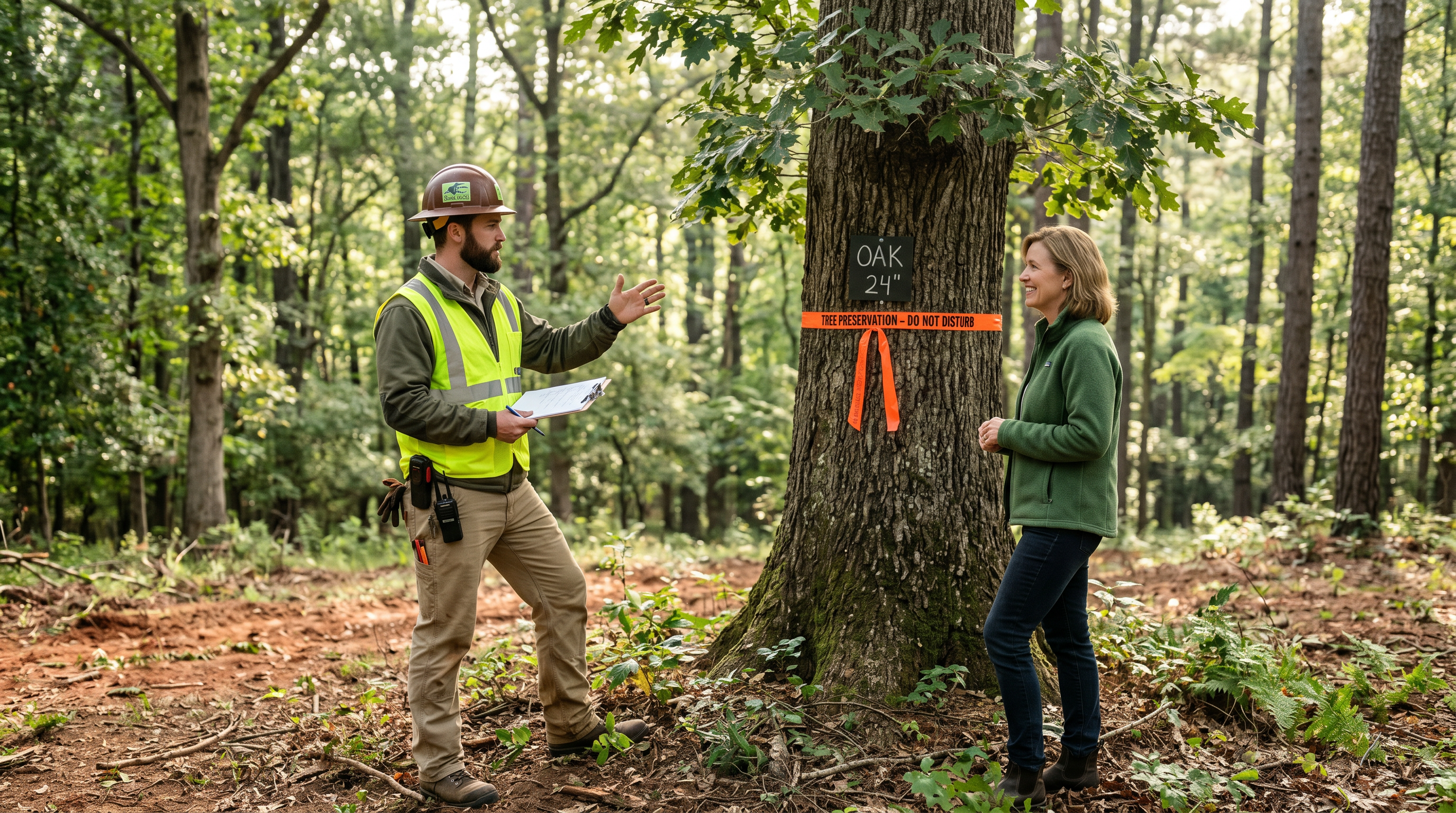
- Protected Areas: Trees in designated Tree Conservation Areas or riparian buffers near creeks typically need a permit no matter the property type.
- HOA Rules: Even when the city stays out of the way, your Homeowners Association almost always requires an application before a tree comes down.
Tree removal rules in Raleigh NC
Raleigh has specific rules, but they mostly target developers and commercial properties. For the average homeowner, the City of Raleigh UDO generally allows you to manage trees on your own land. Still, a few exceptions often catch people off guard.
If your property has a recorded Tree Conservation Area, limits on what you can remove apply. The same goes for any tree in the public right-of-way—you must apply for a Tree Impact Permit through the city. When you are unsure where your property line ends and the city's begins, check for utility stakes or pull up a recent survey.
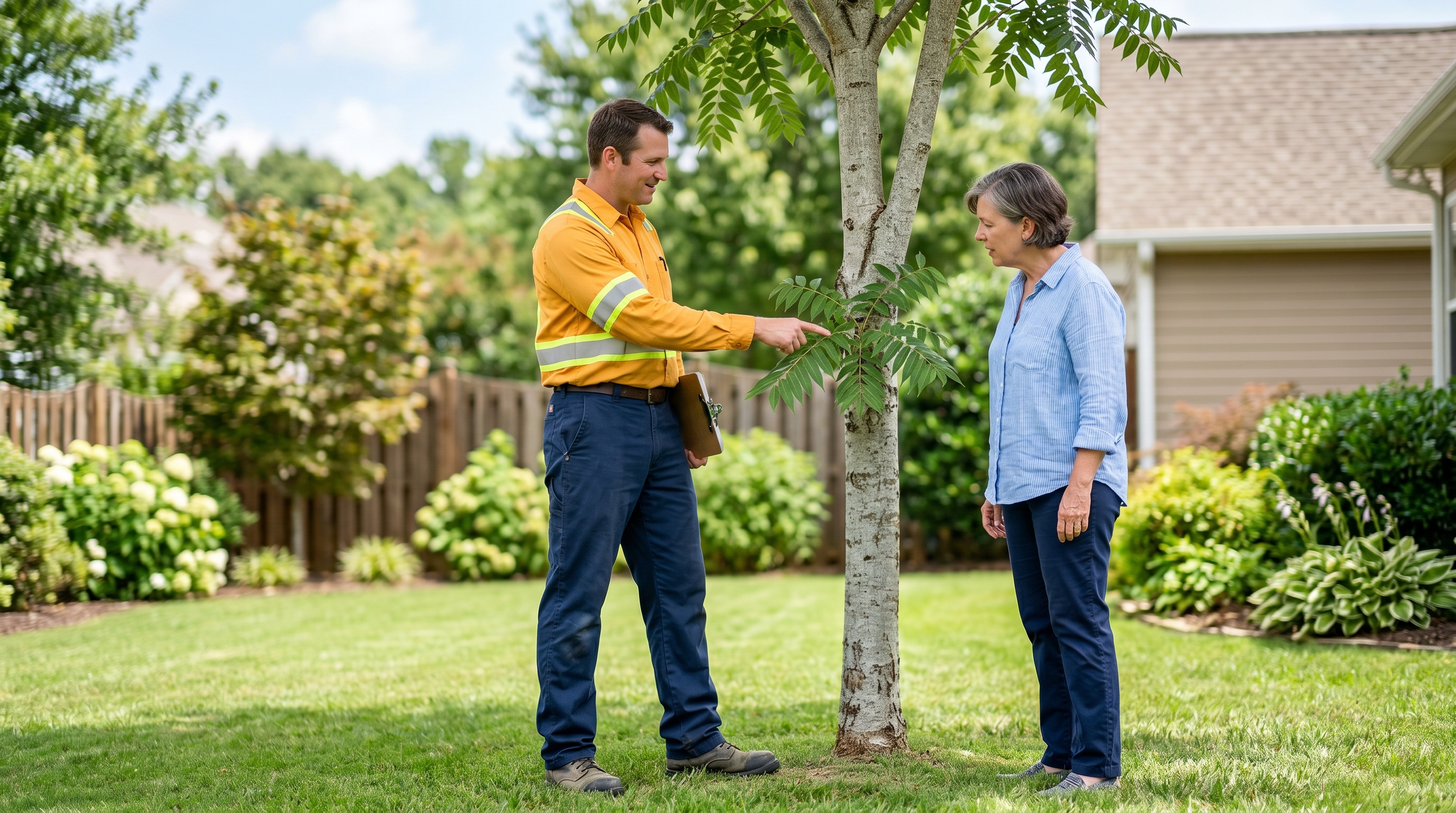
Dead trees or those posing an immediate danger usually qualify for removal with proper documentation. A professional hazardous tree removal assessment gives you a clear record that the tree was a real risk, which helps when dealing with either the city or your HOA.
Wake Forest and Cary permit requirements
The Town of Wake Forest follows state law that limits municipal restrictions on existing residential lots. For most homeowners, you can remove trees on your property without a town permit. Focus stays on street trees and new construction. See the official Wake Forest UDO page for current details.
Cary protects its canopy more closely around "champion trees," but existing single-unit residential lots stay exempt unless the property is being subdivided or developed. If you suspect a specimen-sized tree, a quick call to the planning department is worth it before book a tree removal service.
The HOA factor: Understanding ARC approval
While the city might leave your backyard alone, your HOA usually will not. Most Triangle neighborhoods have an Architectural Review Committee that must sign off on significant landscaping changes. Removing a large tree—even a dead one—often triggers the need for an application.
Skipping HOA approval can bring fines or orders to replant with specific trees. When you submit, expect to include:
- Clear photos of the tree and its spot on the property
- A simple reason (dead, diseased, or damaging structures)
- A professional opinion or estimate from an experienced tree service
- Plans for stump grinding or replanting if your covenants require them
We routinely supply homeowners with the photos and details boards expect. Naming the lean toward a roof or noting decay on the base often moves approval along faster.
How to spot a right-of-way tree
A tree in the verge between sidewalk and curb is almost always city property. Do not hire a private company to touch it. Report a dead or limb-dropping city tree to Raleigh, Wake Forest, or Cary public works so they can handle it.
Note that a limb from a private tree hanging over the street or sidewalk stays your responsibility. If it threatens traffic or pedestrians, the city may send you a notice to prune or remove it.
Safe handling of utility-line trees
Permits are one thing, but safety is another. If a tree or broken limb touches a power line, stay back. Unless it is a life-threatening emergency, do not attempt to prune it yourself and do not call a tree service first. Contact Duke Energy or your local electric co-op right away. They will clear the lines so a private crew can finish the job safely afterward.
Getting started with an estimate
When you are staring at a tree and wondering whether you can cut it down, start with a professional look. We can usually tell fast if a tree sits in city right-of-way or qualifies for a hazardous exemption that simplifies HOA or city paperwork.
Property protection comes first. We plan every job around your landscaping, fences, and driveway so the only thing removed is the tree you wanted gone. Text photos of your tree to 919-523-8516 for a fast reply. We serve Raleigh, Wake Forest, Cary, Apex, and nearby areas with clear estimates before work starts.
Ready to clear that dangerous or unwanted tree? Contact us today for a professional assessment and a clear path forward.
Share
You might also like